
What Is a Wellness Center? Services, Benefits & How to Find One Near You
Have you ever wondered what happens inside a wellness center—and whether one could help you feel better?
According to McKinsey's Future of Wellness research, 84% of U.S. consumers now say wellness is a top or important priority in their lives. People want more than just treatment when they feel sick. They want support for their whole health.
This guide explains what a wellness center is, what services you can expect, and how to find one that fits your needs. You'll learn the key differences between wellness center types. You'll see which services are most common. And you'll get tips for choosing the right center near you.
What Is a Wellness Center?
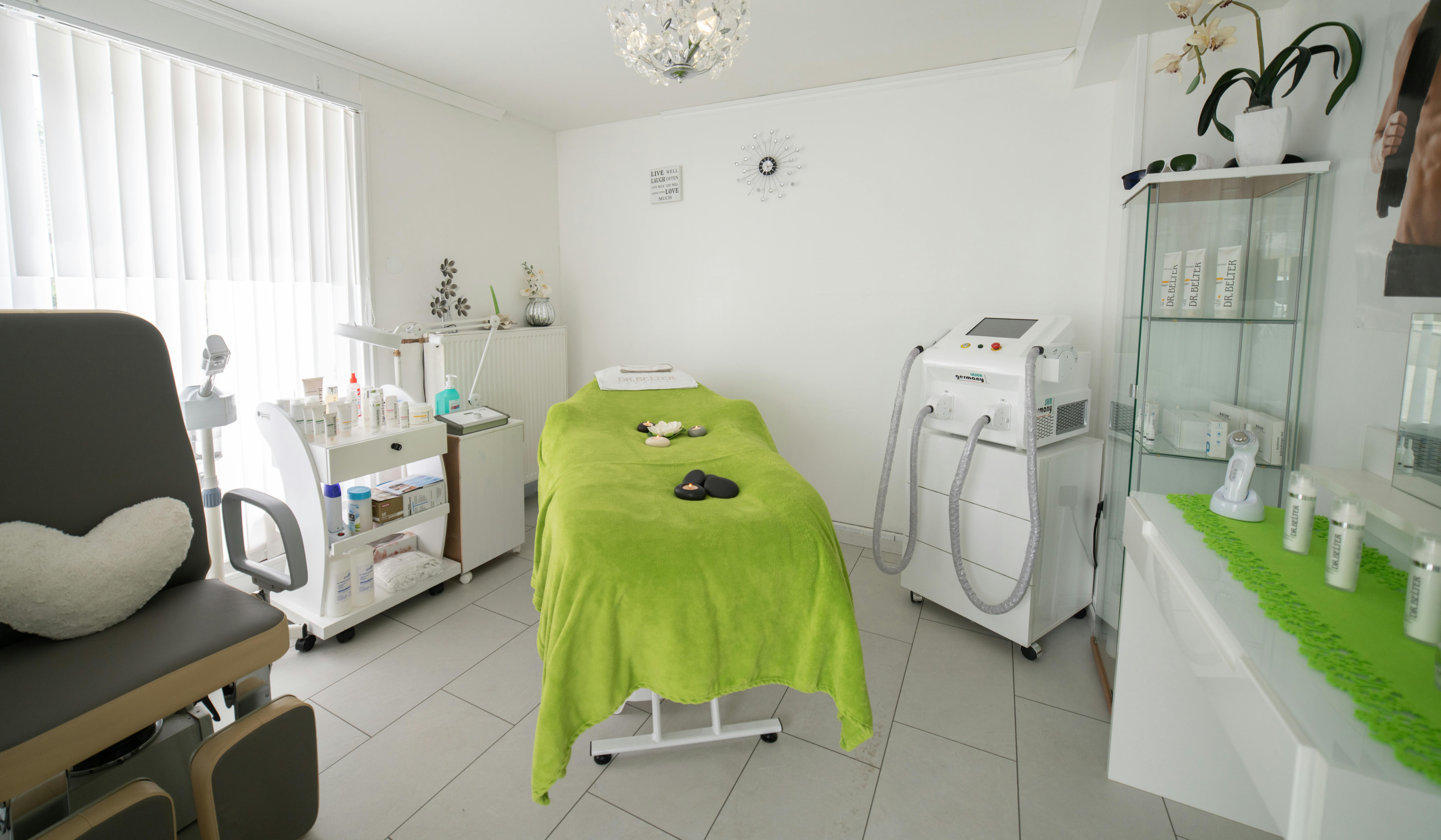
A wellness center is a health-focused facility that helps people feel better physically, mentally, and emotionally. Unlike a traditional doctor's office, a wellness center often combines preventive care, fitness programs, nutrition counseling, mental health support, and stress relief services in one place. Some wellness centers are inside hospitals. Others are at universities or operate as standalone businesses. The goal is to support whole-person health—not just treat illness.
A wellness center is different from a hospital, doctor's office, or gym. Here's how:
Doctor's office: Treats you when you're sick or injured. Visits are usually short and problem-focused.
Gym: Offers exercise equipment and fitness classes. No medical care or health counseling.
Wellness center: Combines preventive care, mental health support, nutrition guidance, and stress relief. The goal is to help you stay healthy long-term.
From our experience, patients often come in unsure what to expect. They leave feeling more in control of their health. Many say it's the first time someone looked at their whole picture—not just one symptom.
Who visits a wellness center? Adults of all ages. Families. Seniors. Anyone who wants to take an active role in their health. You don't need to be sick to benefit. Many people come for stress relief, weight management, or simply to feel their best.
Common Wellness Center Services
Wellness centers offer a wide range of services. The goal is to support your health from many angles. Here are some of the most common options you'll find:
Primary care and preventive screenings. Catch health issues early with routine checkups and lab work.
Mental health counseling and stress management. Talk to a professional about anxiety, depression, or daily stress.
Nutrition and weight management programs. Get personalized guidance on eating habits and healthy weight loss.
Fitness classes and physical therapy. Move your body with group classes or one-on-one rehab sessions.
Alternative therapies. Try massage, acupuncture, or meditation for pain relief and relaxation.
Not every wellness center offers all of these. Some focus on a few specialties. Others provide a full menu of options under one roof.
We've found that patients benefit most when they combine two or three services. For example, pairing nutrition counseling with stress management often leads to better results than either one alone. A wellness center makes it easy to build a plan that fits your life.
Types of Wellness Centers
Wellness centers come in different forms. Knowing the types can help you choose the right fit for your needs.
Hospital wellness center
Serves: Patients and community members
Expect: Integrated with medical care, access to doctors and specialists, often covered by insurance
University wellness center
Serves: Students and staff
Expect: Student-focused, often free or low-cost, may include mental health and fitness services
Standalone/community wellness center
Serves: General public
Expect: Open to anyone, wide range of services, pricing varies by location
Corporate wellness program
Serves: Employees
Expect: Workplace-based, may include health screenings, fitness classes, or stress programs
Each type has its own strengths. Hospital wellness centers offer close ties to medical teams. University centers provide affordable care for students. Standalone centers give you flexibility and choice. Corporate programs bring wellness to your workplace.
The main differences come down to access, cost, and services offered. Some centers accept insurance. Others offer sliding-scale fees based on income. It helps to ask about pricing before your first visit.
Benefits of Visiting a Wellness Center
Visiting a wellness center can make a real difference in how you feel day to day. Here are some of the top benefits:
Catch health issues early. Preventive care and screenings can spot problems before they get serious. Early detection often leads to easier treatment and better outcomes.
Lower your stress. Stress affects your heart, sleep, and mood. Wellness centers offer tools like counseling and relaxation therapies to help you manage it.
Get a plan made for you. Cookie-cutter advice rarely works. A wellness center creates a personalized plan based on your goals, health history, and lifestyle.
Save time with one location. Instead of driving to multiple offices, you can access several services in one place. That means fewer appointments and less hassle.
One patient told us she finally felt heard after years of bouncing between specialists. She came in feeling frustrated. She left with a clear path forward and a team that knew her whole story.
A wellness center puts you at the center of your care. You're not just a chart or a number. You're a person with unique needs—and the support to meet them.

How to Find a Wellness Center Near You
Finding the right wellness center takes a few simple steps. Here's how to get started:
Search online. Type "wellness center near me" into Google Maps. You'll see local options with ratings, hours, and directions.
Check Google Business Profiles. Look at reviews, photos, and service lists. This gives you a feel for each center before you visit.
Ask questions before your first visit. Call or email to ask about services, pricing, and what to expect. A good center will answer your questions clearly.
Look into payment options. Some centers accept insurance. Others offer sliding-scale fees based on income. Ask upfront so there are no surprises.
Take your time choosing. The right wellness center should feel like a good fit for your goals and budget. Trust your gut when you talk to the staff. You deserve a team that listens.
Ready to take the next step? Central Idaho Wellness Center is located at 868 E Main St in Jerome, ID. We offer IV therapy, weight loss programs, pain management, hyperbaric oxygen therapy, and more—all in one place.
Contact us and schedule your first visit today!
