
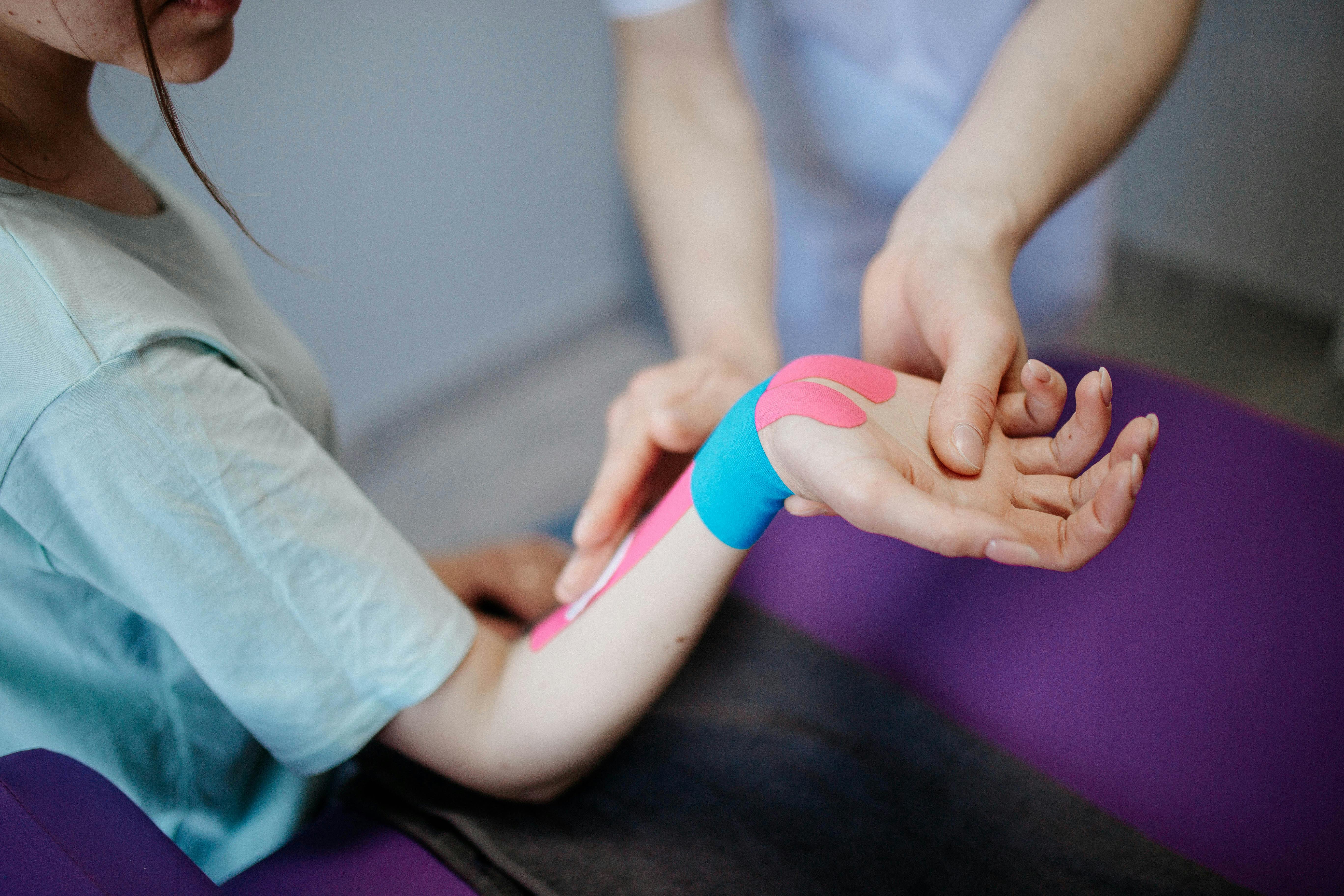
What Is a Pain Control Clinic? Services, Benefits, and What to Expect
Are you tired of living with pain that won't go away? You're not alone. Over 50 million adults in the U.S. deal with chronic pain every day. That's about one in five people.
A pain control clinic helps people find real relief. These clinics treat the root cause of pain—not just cover it up with pills.
At Central Idaho Wellness Center, we see patients from all walks of life. Some have back pain from years of farm work. Others have joint stiffness from arthritis. Many have tried other treatments with little success.
In this guide, you'll learn what a pain control clinic does. You'll see what conditions we treat and how we assess your pain. We'll also show you what to expect on your first visit. By the end, you'll know if a pain control clinic is the right choice for you.
What Is a Pain Control Clinic?
A pain control clinic is a medical facility that focuses on diagnosing and treating ongoing pain. Doctors at these clinics—called pain specialists—use many methods to help patients feel better. These may include:
Physical therapy
Medication management
Joint injections
Nerve blocks
Lifestyle changes
Pain control clinics treat conditions like back pain, neck pain, arthritis, and pain after injuries. The goal is to reduce pain, improve daily function, and help you live a better life. Treatment plans focus on long-term relief, not just quick fixes.
You may also hear these clinics called:
Pain management clinics
Pain centers
Pain relief clinics
They all mean the same thing. The goal is to help you hurt less and do more.
Who Works at a Pain Control Clinic?
Pain clinics bring together different types of providers. Each one plays a role in your care. You may work with:
Pain specialists – Doctors trained to diagnose and treat chronic pain
Physical therapists – Experts who help you move better and build strength
Nurse practitioners – Providers who manage your day-to-day care and medications
Chiropractors – Specialists in spine and joint alignment
At Central Idaho Wellness Center, our team works together on every case. We see a lot of patients in Jerome and the Magic Valley with pain from physical jobs, old injuries, and wear-and-tear conditions. This hands-on experience shapes how we approach each treatment plan.
How Is It Different From a Regular Doctor?
Your family doctor handles many health issues at once. A pain clinic does one thing well—treat pain. We have more time, more tools, and more training for complex pain problems.
If your regular doctor has tried treatments that didn't work, a pain control clinic may be the next step.

Common Conditions Treated at a Pain Control Clinic
Pain control clinics treat many types of pain. Some patients come in with a new injury. Others have dealt with discomfort for months or years. Here are the most common conditions we see.
Back and Spinal Pain
Back pain is one of the top reasons people visit a pain clinic. This includes:
Lower back pain from lifting, bending, or sitting too long
Herniated or bulging discs
Sciatica that shoots pain down the leg
Spinal stenosis, where the spine narrows and presses on nerves
Neck and Upper Back Pain
Neck pain often comes from poor posture, desk work, or past injuries like whiplash. Stiffness and headaches may follow. We help patients find the source and treat it directly.
Joint Pain
Joints wear down over time. Arthritis is a major cause of hip, knee, and shoulder pain. Bursitis—swelling around the joint—can also limit movement and cause aching.
Pain After Injury or Surgery
Sometimes pain lingers after the body should have healed. This is common after car accidents, falls, or surgical procedures. A pain clinic can help when recovery stalls.
Nerve Pain and Chronic Headaches
Nerve damage can cause burning, tingling, or sharp shooting pain. Conditions like neuropathy and migraines fall into this category. These often need a specialized approach.
Other Conditions
Some patients also deal with stomach and gut pain tied to conditions like IBS. Others notice that ongoing pain affects their mood, sleep, or mental health. We consider the whole picture when building your care plan.
How Is Pain Assessed at a Pain Control Clinic?
Walking into a new clinic can feel uncertain. Knowing what to expect makes it easier. Here's how we assess pain at Central Idaho Wellness Center.
Step 1: Initial Consultation
Your first visit starts with a conversation. We ask about your pain history, when it started, and what makes it better or worse. We also review any past treatments you've tried.
Step 2: Medical History Review
We look at your full health picture. This includes past injuries, surgeries, medications, and other conditions. Pain rarely exists alone, so we need the complete story.
Step 3: Physical Exam
Next comes a hands-on exam. We check your posture, movement, and range of motion. We press on specific areas to find where the pain starts. This helps us narrow down the cause.
Step 4: Pain Scales and Questionnaires
We ask you to rate your pain on a scale of 0 to 10. You may also fill out a short form about how pain affects your daily life. These tools help us track your progress over time.
Step 5: Imaging (If Needed)
Sometimes we need to see inside the body. X-rays show bones and joints. MRIs reveal soft tissue like discs and nerves. We only order imaging when it will change your treatment plan.
What We Do Differently
At our clinic, we take time to listen. Many patients tell us they felt rushed at other offices. We don't work that way. In Jerome and the Magic Valley, people value straight talk and real answers. That's what we aim to give you at every visit.

Pain Control Clinic vs. Primary Care Doctor
Should you see your regular doctor or go to a pain clinic? Both play a role in your health. Here's how to decide.
When Your Primary Care Doctor Is Enough
Your family doctor is a great first stop for new or mild pain. They can:
Prescribe basic pain relievers
Order initial tests or imaging
Recommend rest, ice, or physical therapy
Refer you to a specialist if needed
For short-term pain that improves within a few weeks, your primary care doctor may be all you need.
Signs You May Need a Pain Specialist
Sometimes pain sticks around or gets worse. A pain control clinic may be the right choice if:
Your pain has lasted more than three months
Over-the-counter medications don't help
Pain interrupts your sleep, work, or daily activities
You've tried treatments that didn't bring relief
Your doctor isn't sure what's causing the pain
How They Work Together
Your primary care doctor and pain clinic don't compete. They team up. Your regular doctor handles your overall health. The pain clinic focuses on your specific pain problem.
We send updates to your primary care provider after each visit. This keeps everyone on the same page. If you need a referral, we can guide you through that process. Many patients in Jerome and the Magic Valley come to us directly without one.
Primary Care Doctor
Focus: General health
Visit length: 15–20 minutes
Treatment options: Basic medications, referrals
Best for: New or mild pain
Pain Control Clinic
Focus: Pain diagnosis and treatment
Visit length: 30–60 minutes
Treatment options: Injections, nerve blocks, therapy plans
Best for: Ongoing or complex pain
Benefits of Visiting a Pain Control Clinic
Living with pain affects everything. It changes how you sleep, work, and spend time with family. A pain control clinic offers real benefits that go beyond a quick fix.
Personalized Treatment Plans
No two patients are the same. We build a care plan around your specific condition, lifestyle, and goals. What works for one person may not work for another. Your plan is yours alone.
Access to Advanced Therapies
Pain clinics offer treatments you won't find at a general doctor's office. These include:
Joint injections to reduce swelling and stiffness
Nerve blocks to stop pain signals at the source
Ultrasound-guided procedures for precise targeting
Regenerative therapies that support healing
At Central Idaho Wellness Center, we use these tools daily to help patients in Jerome and the Magic Valley get back to their lives.
Focus on Long-Term Relief
Quick fixes wear off. Our goal is lasting improvement. We look for the root cause of your pain and treat it directly. This approach helps you stay active and independent for years to come.
Support for Mental Health
Chronic pain and mental health go hand in hand. Ongoing discomfort can lead to stress, anxiety, and low mood. We recognize this connection. Our team considers your emotional well-being as part of your overall care.
Improved Daily Function
The biggest benefit is simple: doing more of what you love. Patients often tell us they can garden again, play with grandkids, or sleep through the night. These everyday wins matter most.
Pain doesn't have to run your life. The right care can change things.
What to Expect at Your First Visit
Your first visit to a pain control clinic sets the stage for everything that follows. Here's what to expect so you can show up prepared and confident.
What to Bring
Come ready with these items:
Photo ID – Driver's license or state ID
Insurance card – If you have coverage
List of current medications – Include doses and how often you take them
Past medical records – Any imaging results, surgery notes, or test reports related to your pain
List of questions – Write down anything you want to ask
Having these on hand helps us move quickly and focus on your care.
How Long the Visit Takes
Plan for 45 minutes to an hour. First visits take longer because we gather your full history and complete an exam. Follow-up visits are usually shorter.
Questions We May Ask
Be ready to describe your pain in detail. We may ask:
Where does it hurt?
When did it start?
What makes it better or worse?
How does it affect your daily life?
What treatments have you already tried?
Honest answers help us find the right path forward.
What Happens After
At the end of your visit, we'll explain our findings. You'll leave with a clear plan. This may include follow-up appointments, imaging orders, or scheduled treatments. We don't leave you guessing.
A Tip From Our Team
Wear loose, comfortable clothing. We often need to check movement in your back, neck, or joints. Stretchy clothes make the exam easier for you and for us.

FAQs
Do I need a referral to visit a pain control clinic?
No, most patients do not need a referral. At Central Idaho Wellness Center, you can book an appointment directly. Some insurance plans—especially HMOs—may require a referral for coverage. PPO plans and Medicare typically do not. Check with your provider first to be sure.
What is the goal of a pain management clinic?
The goal is to reduce your pain and help you function better in daily life. According to the CDC, over 50 million U.S. adults experience chronic pain—and many find relief through specialized care. We focus on finding the cause of your discomfort and building a treatment plan that works long-term. Complete pain relief is not always possible, but improving your quality of life is.
How long does treatment take?
Treatment length depends on your condition. Some patients feel better after a few visits. Others with chronic pain may need ongoing care over several months. We set realistic expectations from the start and adjust as you improve.
Will I be given medication?
Medication may be part of your plan, but it's rarely the only solution. We use a multimodal approach that combines therapies like injections, physical movement, and lifestyle changes. This method helps manage pain while reducing reliance on medication alone.
Is a pain control clinic the same as a pain management clinic?
Yes. These terms mean the same thing. You may also see "pain center" or "pain relief clinic." They all describe a facility focused on diagnosing and treating pain.
Does insurance cover pain clinic visits?
Most major insurance plans cover pain clinic services when deemed medically necessary. Coverage varies by plan and treatment type. Our staff can help verify your benefits before your first visit.
Can you help with migraines and chronic headaches?
Yes. We offer specialized migraine and headache management for patients dealing with recurring head pain. Our team works to find the root cause and reduce how often headaches occur.
Ready to take the next step? Visit our pain control clinic or explore our full wellness center services to learn more.
